The participation rate in volunteer activities is increasing by nearly 20% among people over 60, according to INSEE, even though most retirees claim to fear boredom. However, studies show that the transition to retirement also comes with an increase in overall satisfaction, provided one remains socially and physically active.
Some Nordic countries are seeing a rise in well-being among seniors thanks to collective initiatives, while others struggle to involve this age group in community life. This contrast highlights concrete levers to transform the years after 60 into a period of renewal.
After 60, a new balance to invent for oneself
Reinventing one’s own trajectory after turning 60 means revisiting habits, listening to oneself, and questioning one’s desires. Aging while staying fit is something to be built: regular movement, healthy eating, maintaining social connections—all of this shapes a higher quality of life on a daily basis. Establishing a real routine, not just a series of mechanical actions, but a stimulating framework, fosters motivation and helps regain confidence and balance. Moreover, pursuing a personal project, no matter how modest, adds flavor to each day and nourishes that autonomy which remains precious at any age.
This autonomy is also protected through home modifications, fall prevention, and physical maintenance. An adapted living space helps avoid unpleasant surprises, while preparing finances and knowing available assistance ensures reassuring stability. Support systems are not reserved for a select few: they facilitate daily adaptation, support projects, and offer the freedom to choose one’s pace, rather than endure it.
Another pillar is medical prevention. Making an appointment for a health check-up, following screening or vaccination recommendations is not an option to postpone. Many neglect their annual appointment with their doctor, even though it plays a key role in maintaining good physical and mental health. Regular follow-up is also an opportunity to anticipate, adjust, and remain an active participant in one’s health.
To go further and find inspiration, numerous testimonials and tips are shared on https://www.blog-seniors.fr/. This site gathers varied experiences about daily life, challenges, and pleasures of this new age. Curiosity, the joy of discovery, the desire to build new projects: these are all ways to give meaning to this stage, to write one’s story without being confined to a single model.
What activities and passions to explore for daily fulfillment?
After 60, the thirst for learning does not disappear: on the contrary, it reinvents itself. Many choose reading, participate in writing workshops, or join discussion clubs. These activities, far from merely occupying time, maintain memory, stimulate critical thinking, and allow one to stay connected to the world. Artistic workshops, such as painting, theater, and sculpture, provide spaces for creation and expression, open dialogue, and nourish social bonds.
For those who want to preserve their fitness and vitality, incorporating a regular physical activity changes the game. Here are some popular disciplines that help maintain fitness:
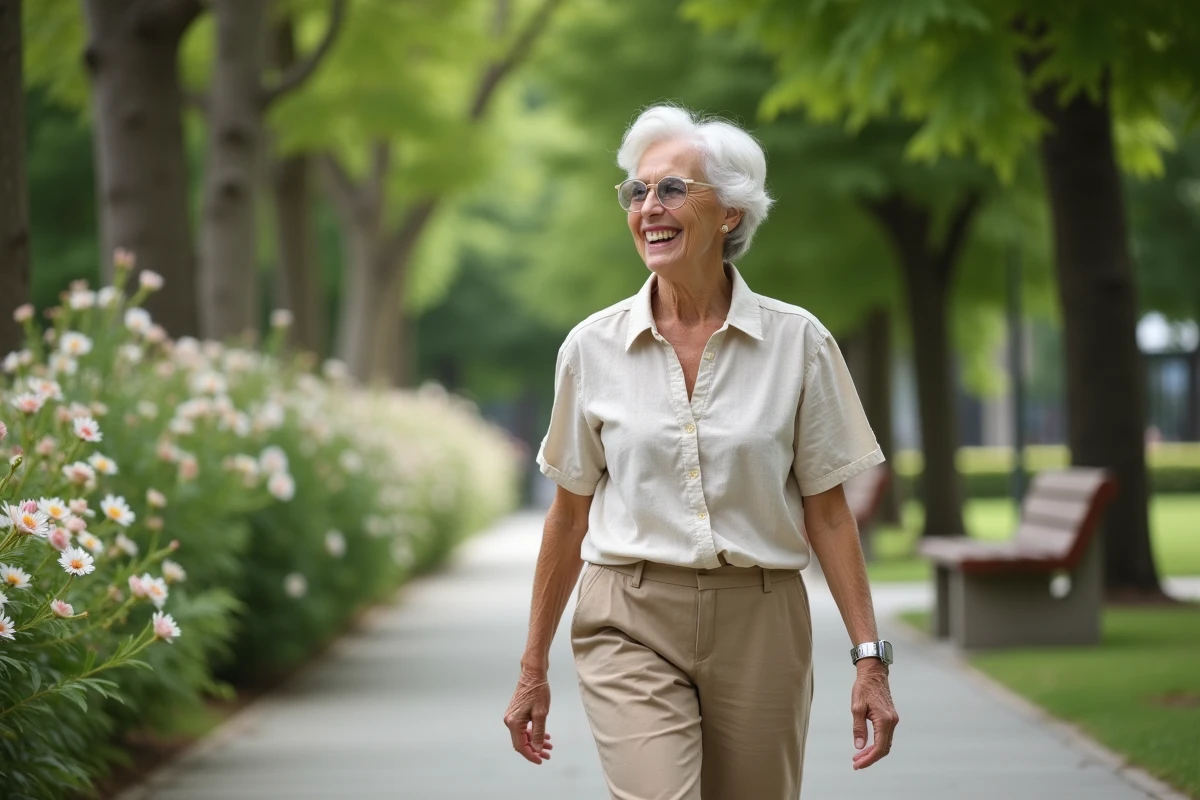
- Nordic walking
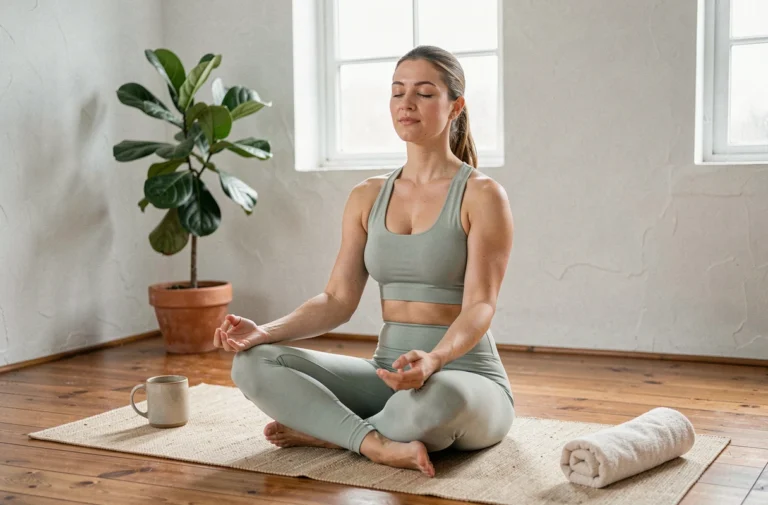
- Yoga
- Pilates or swimming
Each activity engages the body differently, improves balance, combats chronic diseases, and promotes autonomy. Sports clubs and associations open their doors to retirees, creating new friendships and stimulating the desire to progress together. The impact on health is quickly measurable: more energy, less pain, and boosted morale.
Discovering a new passion can transform daily life. Gardening, photography, group singing, community engagement… These activities structure the days, give meaning to the schedule, and stimulate motivation. Volunteering, in particular, generates a sense of usefulness, allows for connections, and energizes social life.
Want to explore elsewhere? Travel remains a powerful motivator. Exploring an unknown region, venturing abroad, going solo or in a group: each experience offers encounters, discoveries, and new memories to share. These moments nourish enthusiasm and strengthen the desire to build future projects. Nothing prevents one from continuing to learn, marvel, and pass on knowledge, day after day.

Social relationships to mindfulness: the keys to sustainable well-being
The relationships built over time are not secondary: they protect against isolation, depression, and withdrawal. A strong social network improves mental health, supports morale, strengthens immunity, and extends life expectancy. A regular call, a shared meal, a community mission: every exchange counts, nourishes quality of life, and maintains the desire to reach out to others. Mental health is not only the absence of disorders; it is also about managing emotions, pursuing projects, and relying on the richness of human connections.
To maintain intellectual stimulation, there are many beneficial collective activities:
- Shared reading
- Board games or memory games
- Discussions, learning new skills
The brain remains alert, enriched through exchange, and renewed through curiosity. Routine, far from being monotonous, structures the day, reinforces motivation, and supports emotional balance. Physical activity helps manage stress better, improves sleep quality, and regulates hormones—three pillars for staying fit over the long term.
Mindfulness and stress management
Taking the time to welcome the moment is what mindfulness offers. Meditation, breathing, moments of retreat: these practices help manage stress better, promote restorative sleep, and allow for better navigation through daily ups and downs. Recharging in this way strengthens immunity, protects overall balance, and allows one to approach each day with more serenity.
Here are some levers that support a good quality of life:
- <strongSurround yourself: a circle of close ones supports confidence and autonomy.
- Keep projects: setting a personal goal maintains the desire to move forward.
- Adopt rituals: reading, meditation, or walking structure the day and promote balance.
Making the quality of one’s relationship with time a compass means choosing to give oneself attention, open up to others, and never give up on the richness of possibilities. After 60, everything is still to be played.