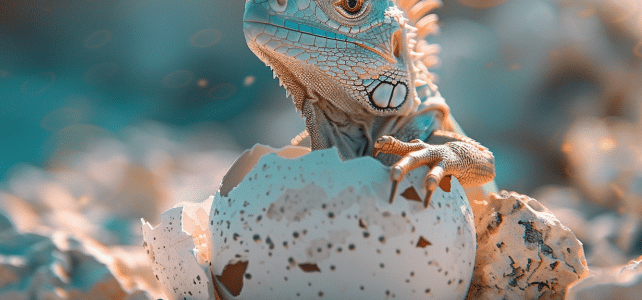
The hatching of a reptile is a fascinating moment, showcasing the resilience of life. Emerging from the egg, the tiny creature must immediately adapt to a vast and often hostile world. This survival journey begins with the breakthrough of the shell, a first act of autonomy. During its development, the young reptile grows rapidly, learning to hunt and camouflage itself to escape predators. Each species follows a unique path, shaped by its environment and ecological interactions. The transition from egg to adult is a series of trials and discoveries, sculpting the behavior and skills necessary for adult survival.
From Hatching to Maturity: The Development of Reptiles
The life cycle of amphibians, while distinct from that of reptiles, offers an illuminating point of comparison. Like their distant cousins, reptiles, such as turtles, lizards, and snakes, begin their existence as an egg before undergoing a series of metamorphoses. However, unlike amphibians that experience a radical transformation from tadpole to adult, reptiles are often born in a miniature form of their parents, ready to embark on their own developmental journey. The baby crocodile, right from its emergence from the egg, is already a faithful replica of the adult but still needs to gain the size and strength necessary for survival.
The early steps of a reptile’s life are marked by the learning of self-sufficiency. The phylogenetic classification of reptiles reveals varied survival strategies, adapted to each species according to its natural habitat. There lies the behavioral and biological diversity of reptiles, which, from birth, must refine their senses and develop hunting and camouflage skills. Their growth is accompanied by an increase in their physical and cognitive abilities, essential for their integration into the ecosystem.
Sexual maturity marks the end of this growth phase and the beginning of the breeding period. The life cycle thus perpetuates, with the laying of new eggs and the renewal of generations. Adult reptiles must then face new challenges: defending their territory, seeking a mate, and protecting their offspring. Their adaptability is constantly put to the test, ensuring the perpetuity of the species in a world of constant change.
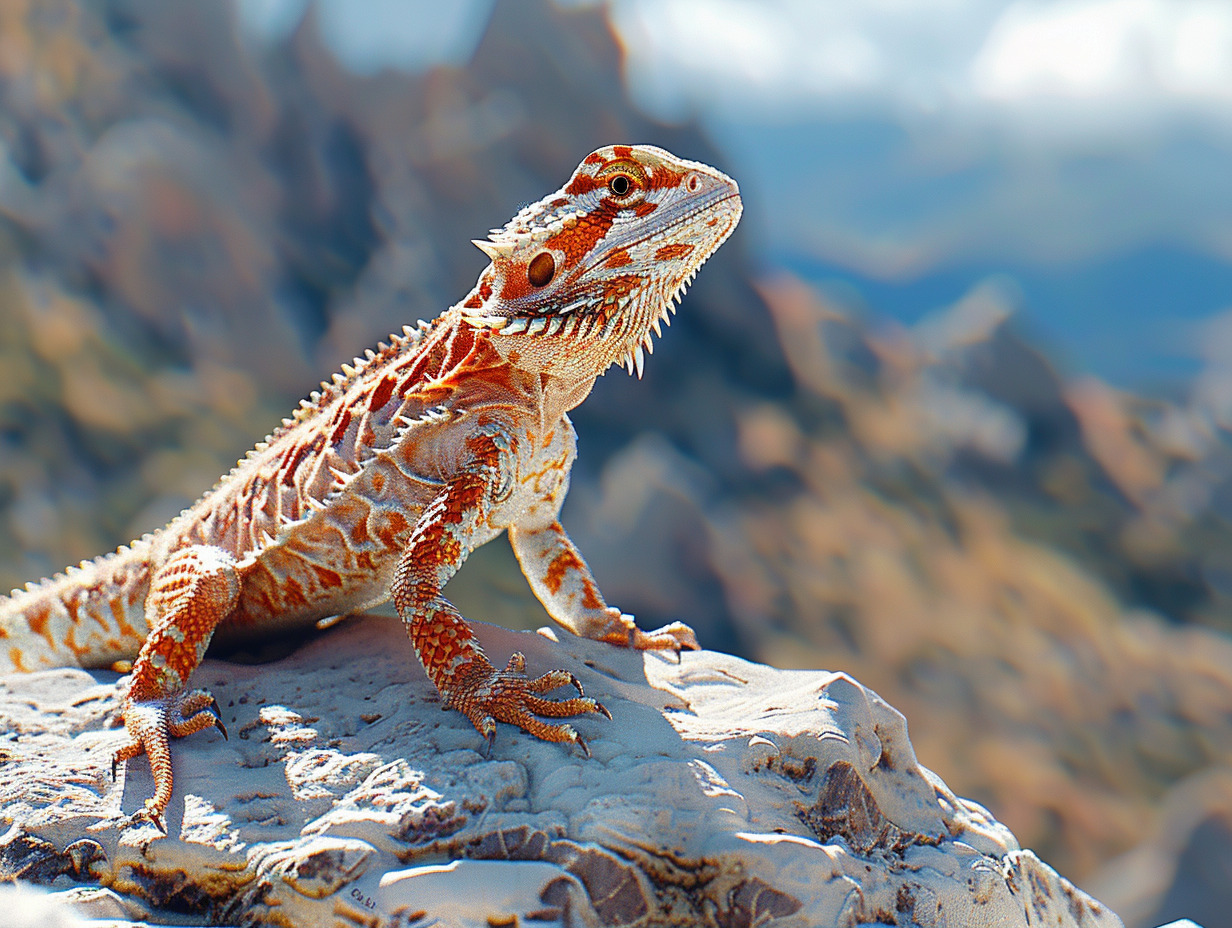
The Challenges of Survival: Adaptation and Growth
In the face of increasing threats to their ecosystems, the biodiversity of reptiles is under strain. The conservation of species relies on the preservation of their natural habitat, where each component plays a fundamental role. In this context, initiatives such as the ‘pond plan’ in Chartres metropolitan area aim to protect these aquatic environments essential for the survival of many species, including amphibians, and, by domino effect, the reptiles that share these habitats.
The skin of amphibians, both a respiratory and protective organ, illustrates the complexity of these organisms and the finesse of their adaptation to the environment. The recent legal protection of amphibians in France, enacted since January 8, 2021, reflects a growing awareness of the need to safeguard these vertebrates and their interconnected ecosystems.
The partnership between Chartres metropolitan area, the Conservatory of Natural Spaces Centre-Val de Loire, and the Eure-et-Loir Department Council within the framework of the ‘pond plan’ reveals the intersectoral collaboration necessary for species conservation. This initiative demonstrates the commitment of local stakeholders in the fight against the loss of natural habitats and highlights the essential role of wetlands like ponds, which are biodiversity refuges.
With over 450 ponds recorded in the territory of Chartres metropolitan area, the mapping of biodiversity is enriched, allowing for targeted preservation efforts. The recognition of amphibians as a protected species strengthens protective measures and encourages conservation initiatives. The survival of reptiles, closely linked to that of amphibians and their environment, depends on these concerted actions, ensuring sustainable adaptation and growth of species in the face of environmental challenges.