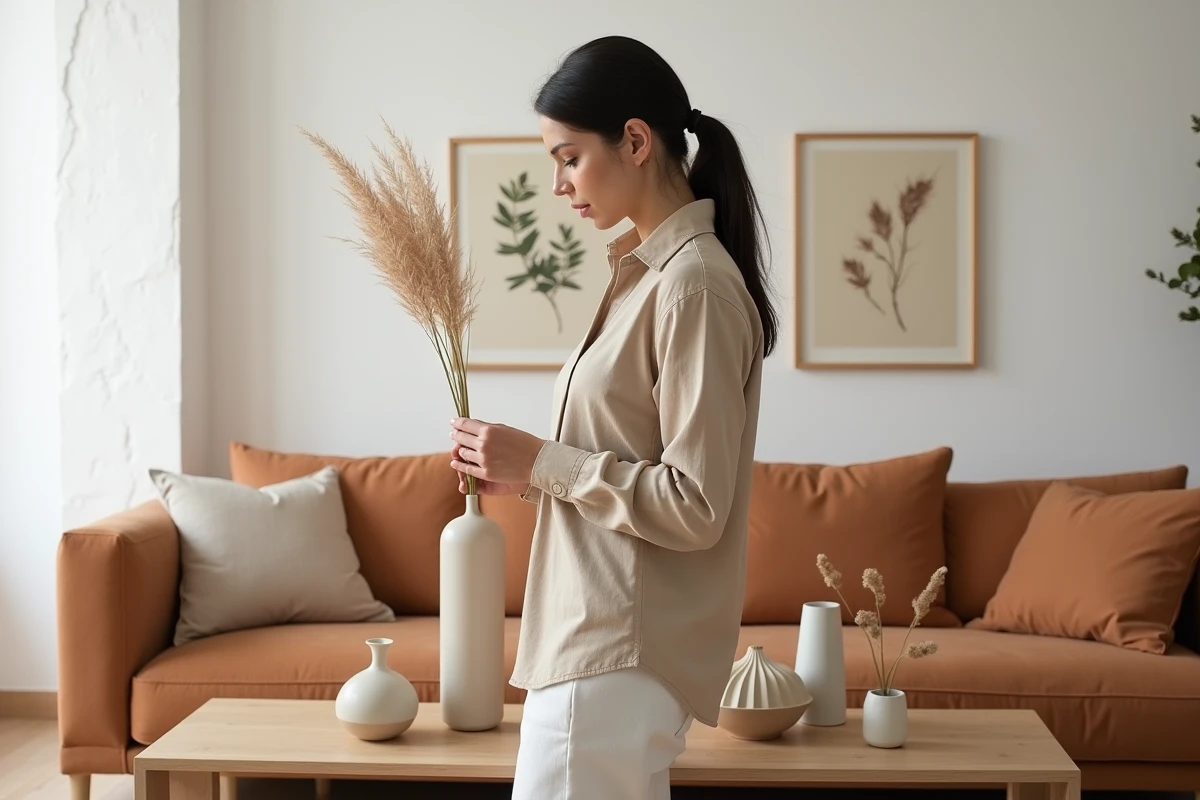
Interior decoration encompasses a set of technical and aesthetic choices that determine the atmosphere of a living space. Materials, colors, furniture arrangement, light management: each parameter interacts with the others. Understanding these mechanisms allows for coherent choices rather than accumulating objects randomly due to promotions.
Summer comfort and thermal constraints: the decor parameter that few anticipate
Since the gradual tightening of thermal regulations (RT2012 then RE2020), interior design projects incorporate constraints that go beyond mere aesthetics. The choice of a blind, curtain, or even a wall color has a direct impact on the perceived temperature in a room during the summer.
Technical blackout blinds and solar films for glazing have become widespread in renovation projects. Their primary function is to limit overheating, but their visual aspect also matters: manufacturers now offer finishes that integrate into contemporary or classic interiors.
Light colors indoors (walls, ceilings, textiles) help reflect light and reduce heat absorption. This simple physical principle guides decor palettes towards powdery tones, off-whites, or pastel shades, without the motivation being solely aesthetic. This is also why bioclimatic pergolas are gaining ground as extensions of living spaces: they regulate solar gain while creating a livable outdoor area.
To explore ranges that take these thermal constraints into account as well as style, Maison Créa’s decor solutions allow for the combination of performance and visual coherence in a single project.
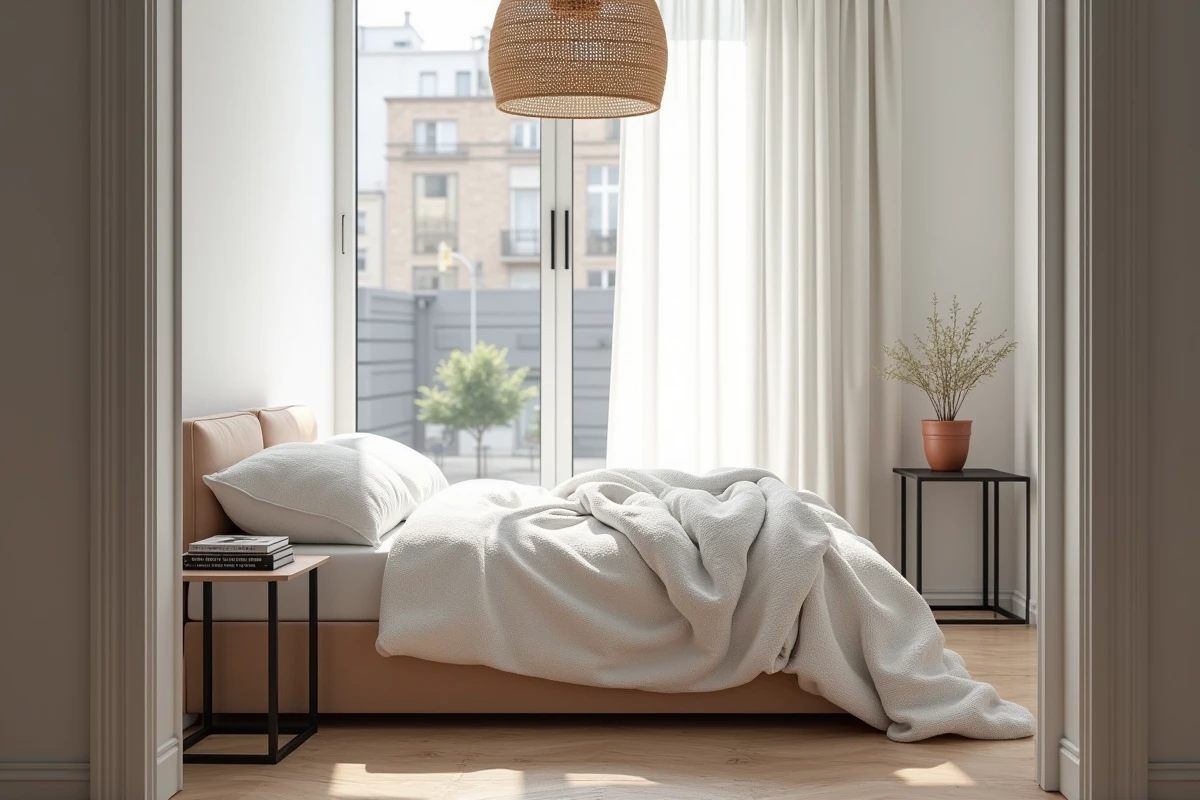
Circular decor: second-hand and creative reuse in interior design
The purchase of second-hand furniture and decor items has seen structural growth since 2023. This movement goes beyond a simple trend: it changes the way an interior design project is constructed, from the living room to the bathroom.
Brands like IKEA and Emmaüs have expanded their services for the collection and resale of refurbished furniture between 2023 and 2024. Second-hand corners in stores and online resale platforms particularly attract those aged 25-40, driven by rising prices of new items and a tangible ecological sensitivity.
What reuse changes in a decor project
Mixing new furniture with vintage pieces creates a visual tension that a total catalog look does not produce. A restored farmhouse table paired with contemporary chairs, an Art Deco mirror above a minimalist console: these contrasts give character to an interior without increasing the overall budget.
Creative reuse goes beyond simple resale. It involves transforming an existing object: repainting a solid wood piece, reupholstering a seat, repurposing an industrial crate as wall storage. This approach requires a minimum of technical know-how, but it produces unique pieces that anchor a personal style.
- Check the structural integrity of an old piece before any purchase (joints, legs, hinges) to avoid a restoration that is more costly than new
- Favor noble materials (solid wood, metal, ceramic) that withstand restoration well, unlike melamine panels that chip
- Test the compatibility of finishes (paint, varnish, wax) with the existing substrate to avoid unpleasant surprises after application
Color palette and lighting: two levers that transform a space without heavy work
Repainting a wall or changing a light fixture remains the decor intervention with the best effort/result ratio. Color and light alter the perception of volumes, ceiling height, and the depth of a room.
Choosing a coherent palette for a living room or bedroom
A palette generally consists of three levels: a dominant hue (walls, floor), a secondary hue (main furniture, curtains), and an accent hue (cushions, objects, frames). Limiting the palette to three hues avoids visual cacophony while leaving room for textures.
Current trends show a return of warm tones (terracotta, ochre, burgundy) paired with soft neutrals. These combinations work particularly well in north-facing rooms, where they compensate for the lack of natural light.
Layered lighting: an accessible interior design technique
Layered lighting combines three distinct sources in the same room:
- A general lighting (ceiling light, pendant) that provides basic brightness
- A functional lighting (desk lamp, reading lamp, under-cabinet spots) directed towards a specific task
- An ambient lighting (string lights, LED candle, indirect light strip) that creates the atmosphere in the evening
Layering these three levels allows for modulation of a room’s ambiance according to the time of day, without touching the furniture or walls. A dimmer on the general lighting is enough to transform a work living room into a relaxation space.
Artisanal personalization: integrating handmade elements into a contemporary interior
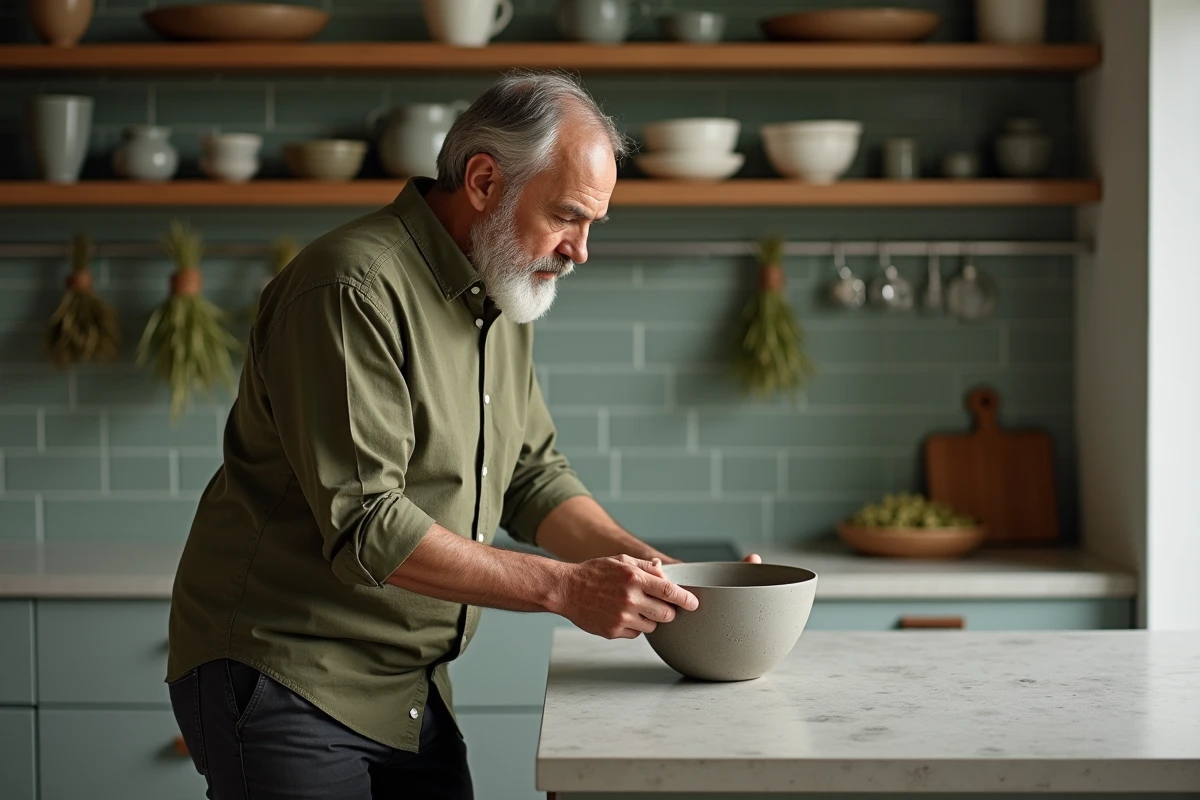
Handmade and craftsmanship are not limited to bohemian or rustic styles. Artisan pieces (ceramics, woven textiles, natural fiber lighting) can fit into very minimalist interiors, provided they are treated as focal points rather than fillers.
One strong artisan piece is worth more than five small decorative objects. A hand-turned stoneware vase on a stripped console draws the eye. The same console covered in knickknacks loses all readability.
Local craftsmanship offers a logistical advantage often overlooked: the possibility of custom ordering. A potter or cabinetmaker can adapt the dimensions, color, or finish of a piece to a specific space. This flexibility does not exist in standard industrial production.
The most sustainable decor choices arise from understanding the real constraints of a space (light, temperature, daily use) before any style consideration. An interior that functions well technically ages better than a trendy interior that ignores these parameters.